- Have any questions?
- +27 (0) 11 326 1977
- +27 (0) 82 666 8240
- info@jamboglobalafrika.co.za


Chrome
September 6, 2025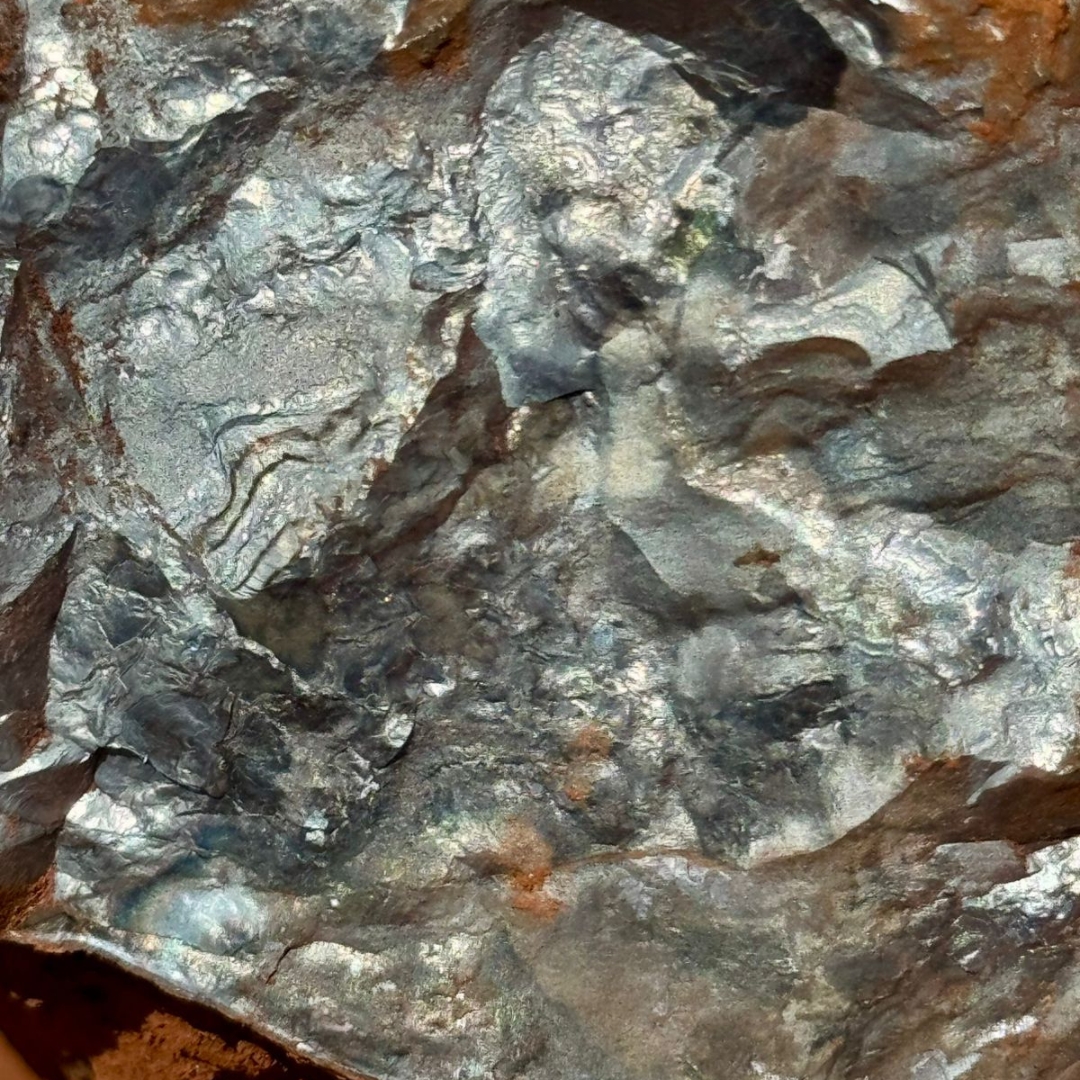
Manganese Ore
Manganese ore is a silvery-gray, brittle mineral primarily used in steel production to improve strength and durability. Found in oxide forms like pyrolusite, it plays a vital role in metallurgy, battery manufacturing, and agriculture.
Manganese ore is a naturally occurring mineral composed mainly of manganese oxides, such as pyrolusite (MnO₂), and is often found in combination with iron. It is the fifth-most abundant metal in the Earth’s crust and is essential in various industrial applications. The ore is typically extracted from sedimentary deposits formed under specialized geological conditions, with major reserves located in South Africa, Australia, China, Gabon, and Brazil.
In metallurgy, manganese is indispensable for steelmaking, where it acts as a deoxidizer and desulfurizer, enhancing the strength, hardness, and wear resistance of steel. It is also used in the production of ferroalloys like ferromanganese and silicomanganese. Beyond steel, manganese contributes to the manufacture of batteries (especially alkaline and lithium-ion types), pigments, fertilizers, and animal feed supplements.
Biologically, manganese is a trace element vital for bone formation, metabolism, and antioxidant defense in plants and animals. However, excessive exposure—especially in industrial settings—can lead to health risks such as manganism, a neurological disorder similar to Parkinson’s disease.
Due to its versatile chemical properties and multiple oxidation states (+2 to +7), manganese ore remains a cornerstone of modern industry and infrastructure development.
